

The Role of Chance in Gambling
Luck is an intrinsic element of every casino game, often overshadowing the strategic aspects of gambling. In games such as slots and roulette, outcomes are determined by random chance, which means that no matter how skilled a player might be, luck can dramatically shift the results. For instance, a player may have a strategy for managing their bankroll in blackjack, but if they continually encounter bad cards, their success will heavily depend on luck. Many enthusiasts even choose to enhance their experience by utilizing a variety of platforms, such as the casino rocket sign up option, which offers different bonuses and rewards. This randomness creates an unpredictable environment that can either reward players generously or leave them disappointed.
Additionally, various games have inherent odds that dictate whether a player can expect to win consistently. While players can influence their chances through skill in games like poker or blackjack, the role of luck cannot be understated. A well-timed bluff in poker can lead to stunning wins, yet it often hinges on whether opponents call the bluff or not, which is beyond a player’s control. This unpredictability is what keeps players returning to the tables, lured by the hope that fortune might favor them in their next turn.
The excitement of gambling often stems from this interplay of luck and skill. Many players find themselves drawn to the thrill of uncertainty, where winning or losing can hinge on a single roll of the dice or the flip of a card. In this sense, luck is not just a factor; it’s part of the very allure of casino games. It helps to create unforgettable moments, whether it be a sudden jackpot from a slot machine or a well-played hand of poker that ends in triumph thanks to an unexpected set of cards.
The Influence of Luck on Player Psychology
Luck significantly impacts how players perceive their experiences in a casino. The psychological aspect of winning can lead to a rush of excitement that enhances the gambling experience. When luck is on a player’s side, they often feel invincible, believing that fortune will continue to shine upon them. This phenomenon is known as the “hot streak,” where players feel that their luck is persistent and that they can do little wrong. Such feelings can encourage people to take more risks, leading to larger bets and heightened engagement.
Conversely, experiencing a cold streak where luck appears to desert a player can lead to frustration and disappointment. This can cause individuals to chase their losses, resulting in riskier behavior and potentially harmful gambling patterns. Understanding the psychology of luck plays a crucial role in how players approach their gambling habits. Recognizing that luck is a fluctuating aspect of gaming can help gamblers maintain a balanced mindset and make more informed decisions about when to walk away or adjust their strategies.
Furthermore, the concept of “gambler’s fallacy” can greatly influence the perception of luck. This fallacy occurs when players believe that past outcomes will affect future results, leading them to think that they are due for a win after a series of losses. Understanding that each event in a game of chance is independent can help players manage their expectations. It emphasizes the unpredictable nature of luck and how it can continuously shape a player’s journey through the casino landscape.
The Balance of Skill and Luck in Casino Games
While luck plays a significant role, the balance between skill and chance varies across different types of casino games. In skill-based games like poker or blackjack, players can leverage their knowledge and strategies to tilt the odds in their favor. Yet, even the most experienced players cannot escape the influence of luck. A well-timed card draw can change the tide of a poker game, proving that even the best strategies are subject to fate’s whims. This delicate balance makes each game uniquely thrilling.
On the other hand, games such as slots or roulette are predominantly luck-based, as outcomes are determined by random number generators. In these games, skill may have little to no bearing on the results, leading players to focus more on the thrill of the gamble than on strategy. The reliance on luck in these games can add to their appeal, as players are drawn to the excitement of potentially hitting a jackpot purely by chance. This aspect can create an exhilarating atmosphere on the casino floor.
Despite the varying levels of skill involvement, all casino games ultimately boil down to the unpredictable nature of luck. Whether through a carefully calculated strategy or blind luck, players at every table are simultaneously hopeful and anxious about the next outcome. This dichotomy creates a shared experience of anticipation, where every spin, roll, or draw holds the promise of fortune or misfortune, making every moment at the table uniquely exhilarating and memorable.
The Social Aspect of Luck in Gambling
Casino games are rarely played in isolation; they often involve social interactions that can amplify the experience of luck. Players share in the excitement of wins and the disappointment of losses, creating a communal atmosphere. This social element can enhance the enjoyment of gambling, as players celebrate lucky streaks together, shouting in jubilation over a significant win at the blackjack table or high-fiving after a fortunate roll of the dice in craps. Such shared experiences can build camaraderie, making winning feel more rewarding.
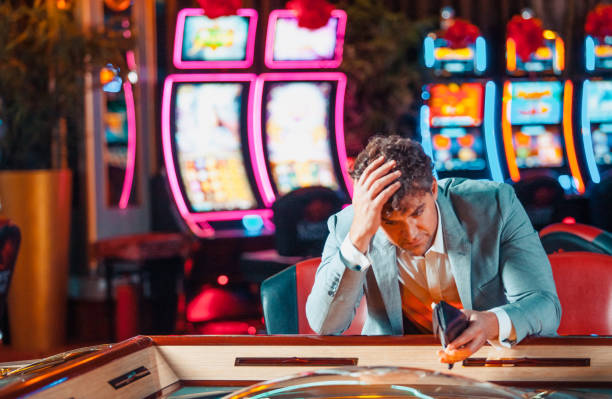
Moreover, the element of luck can also ignite competition among players. The desire to outdo peers fosters a sense of rivalry that heightens the thrill of gaming. Players may feel an extra sense of urgency to demonstrate their skills and luck in front of others, which can lead to more daring bets and strategic moves. This competitive atmosphere can be enticing and addictive, urging individuals to pursue that elusive big win and to prove their prowess against fellow players who are equally eager to test their fortune.
However, the social aspect of gaming can also lead to negative consequences. The pressure to keep up with others or maintain a streak can cause some players to make reckless decisions. Understanding how luck influences not only personal experiences but also social interactions is vital in navigating the casino environment. Having a clear perspective on the role of luck can help players enjoy gaming responsibly while still engaging with the community that comes with it, ensuring that gambling remains a fun activity rather than a source of stress.
Exploring More About Casino Games
Understanding the intricate dynamics of luck in casino games is essential for anyone looking to engage more deeply with gambling culture. With a myriad of games available, players can delve into the strategies that can enhance their enjoyment while acknowledging that luck remains a fundamental factor. Learning the basics of various games, from table games to electronic options, allows individuals to appreciate the role luck plays in each setting. Engaging with informative resources can provide insights into not only the games themselves but also the concepts of probability and risk management.
It’s crucial to approach casino gaming with a mindset that balances enjoyment and responsibility. Players interested in the nuances of luck can find valuable guidance and strategies from well-curated websites that focus on gaming education. These platforms often offer tips, tutorials, and even forums where enthusiasts can share their experiences and learn from one another. By leveraging such resources, players can enrich their understanding and potentially enhance their gambling experience while ensuring that they remain mindful of the inherent risks involved.
In conclusion, luck is a universal thread that weaves through the fabric of every casino game. It influences outcomes, shapes player psychology, and enhances social interactions. By exploring this fascinating interplay between luck and skill, players can gain a more complex understanding of their experiences in casinos. This broader perspective can lead to more responsible gaming practices, transforming gambling into a healthy form of entertainment rather than a source of stress or regret, which ultimately enhances the overall casino experience for all involved.
 admin(https://winforlife777.weebly.com/)